Understanding Network device
The invisible tech powering every click
For understanding devices, it is first important to know what the internet and network are.
Network
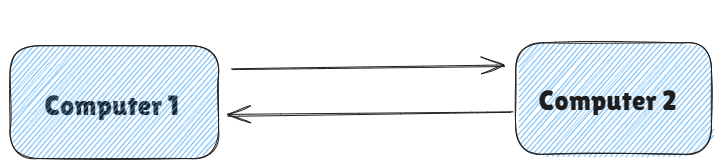
The network is nothing but the group of devices that connects each other to share information and data.
simply it allows devices to connect and talk with each other and share information.
Internet
Internet is the collection of all network.
Network is like small road and the internet is like the big highway.
Network devices:
Modem
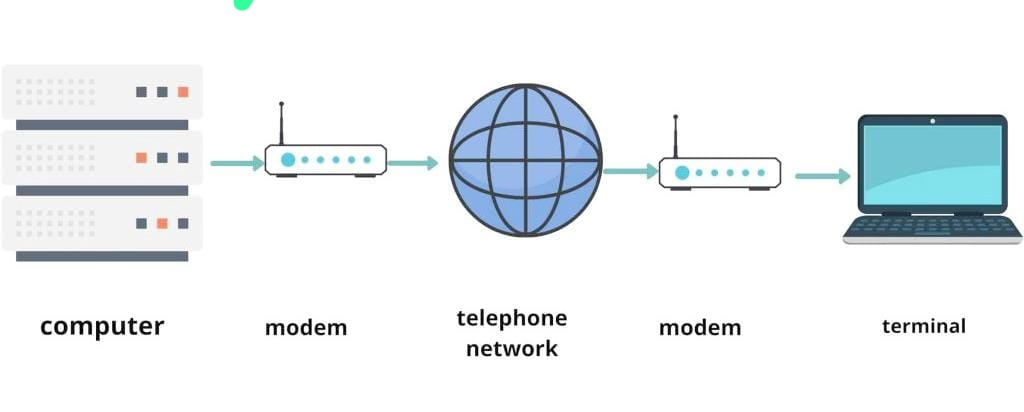
modem = modulator + demodulator
It is connected to ISP ( Internet service provider)
Simply, it convert signals received from ISP to digital data.
ISP understand one language and network understand another. It act as Translator between them.
but think:
What if modem is not present ? \=> Without a modem, your network cannot talk to the internet.
But, Modem does NOT route traffic. It only connects you to the internet.
Router
A router decide “where should Data go.”
Like traffic police in busy area. They ensure that each car reaches correct destination.
Or imagine a familiar situation: suppose your whole family is using their phones at the same time. What if you search for something and it shows up on your father's phone?
Things will get messed up, right.
That's why we require a router.
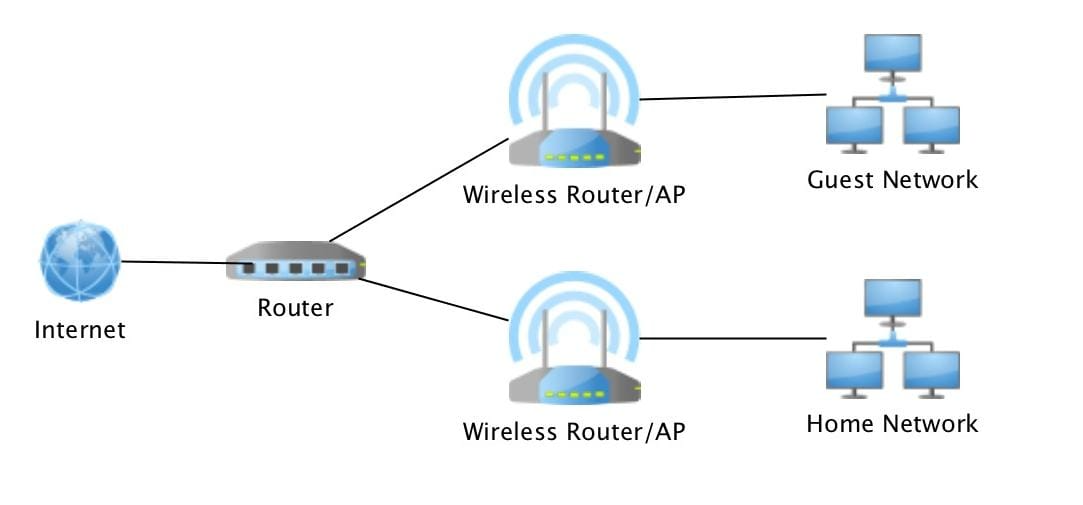
The router receives all incoming packets of digital data from the modem, which forwards it to the correct network using IP addresses.
Ex…, When you open google.com, the router sends your request to the internet and brings the reply back.
Switch VS Hub
What you think which is good for our.
Franky speaking, Switch is best for use and hub is dumb.
Switch:
It is like , the letters are posted in post office . But still we got our letter safely .
Similarly,
It connect devices inside the network.
it send the data to only aimed device.
Hub:
As I say previously , It is dumb.
It is like a loudspeaker, announcing letters publicly.
It is less trusted and safe.
So, that why nowadays , we using switches everywhere.
Firewall
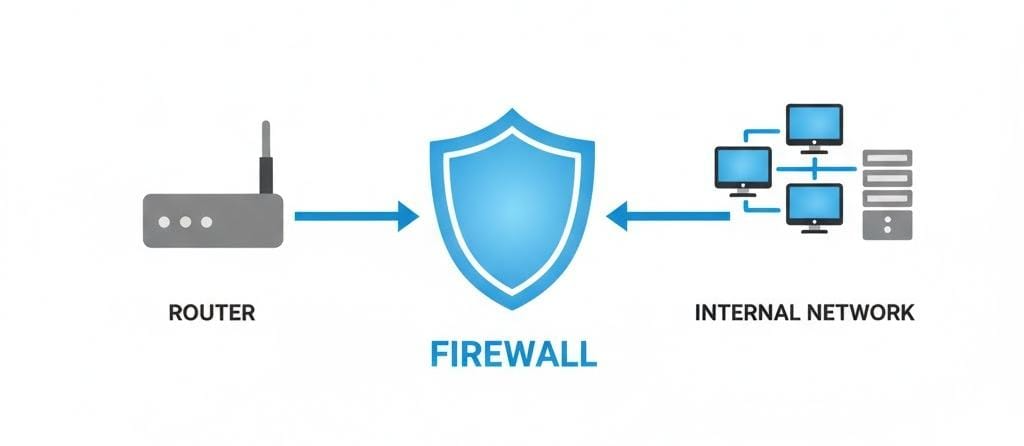
Firewalls inspect every incoming and outgoing packet based on security rules.
It is like security guard.
They can block suspicious traffic and only allows on the basis of protocols.
Firewalls are placed between the router and the internal network or before critical servers.
Load Balancer
In a server environment, the router forwards external requests (like HTTP requests) to the load balancer.
The load balancer decides which backend server receives each request to maintain performance and availability.
Backend servers respond, and the load balancer forwards the response back through the router to the client.
How all these devices work together in a real-world setup?
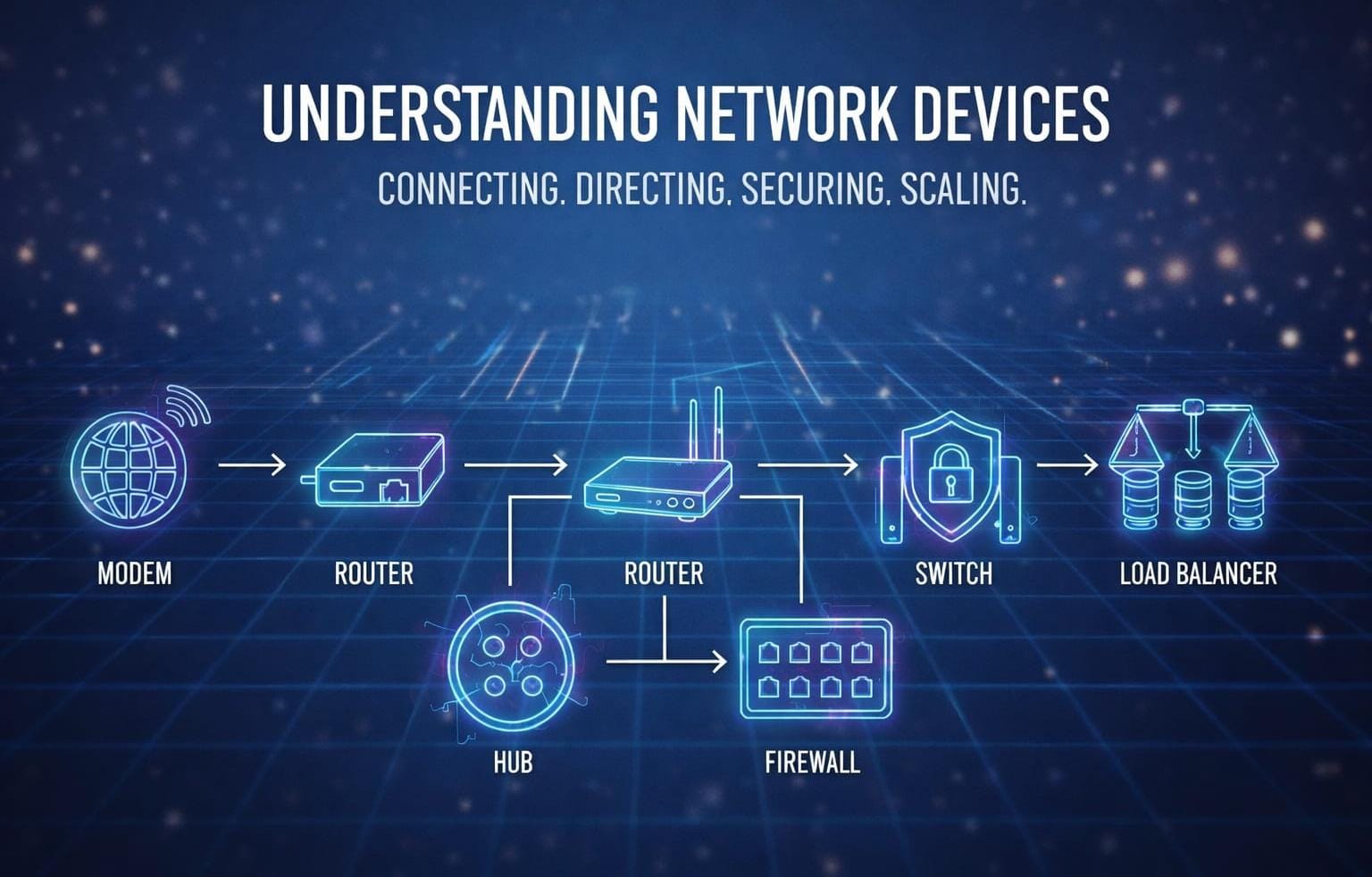
Modem – Connects your network to the ISP and converts the internet signal to digital.
Router – Directs incoming/outgoing traffic to the correct device in your LAN; handles NAT and IP assignment.
Switch – Switch delivers data to the correct device.
Firewall – Filters traffic to block threats and enforce security rules.
Load Balancer (if present) – Distributes incoming requests across multiple servers for performance and reliability.
Conclusion
So in this blog.., we learn about network, Internet, and Network devices. Network devices work together to connect local systems to the internet, move data efficiently, protect networks, and scale applications.
I hope that you’ve found this blog helpful...! If you have any questions or feedback, feel free to leave a comment below.
If you found this article helpful, please like and share it .


